
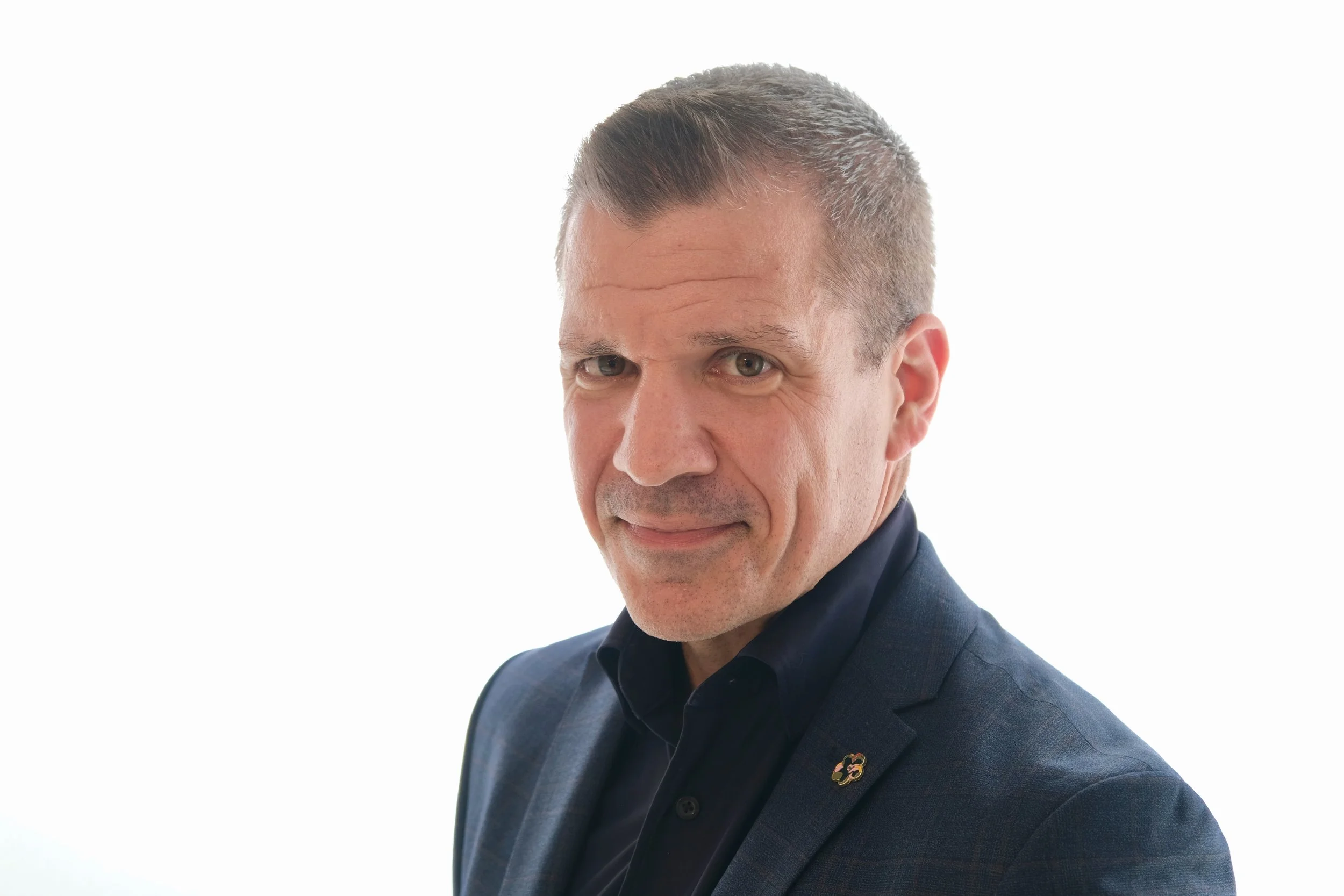
Meet our Lab Director
Stephen P. Lewis, PhD (he/him)
Lab Director
Dr. Lewis is a Full Professor in the Department of Psychology and Research Leadership Chair at the University of Guelph. He is a recent Invited Fellow of the International Society for the Study of Self-injury and an elected College Member of the Royal Society of Canada.
Dr. Lewis’ research focuses on self-injury and related mental health difficulties, with an emphasis on fostering resilience and advocating for individuals with lived experience. Central to these efforts is giving a platform to lived experience voices. Dr. Lewis is not only committed to effecting change through research but also via anti-stigma and outreach initiatives that challenge dominant narratives about what it means to live with mental health difficulties. To this end, Dr. Lewis has given a TEDx Talk, participated in various speaking engagements, and published several narratives (e.g., in the Canadian Medical Association Journal), commentaries, and calls-to-action papers advocating for greater inclusion of lived experience voices in all aspects of research and applied psychology. Along these lines, a primary aspect of his work involves addressing stigma and supporting individuals who self-injure and who face diverse mental health adversities. Dr. Lewis has published extensively in the field, with well over 160 publications in scholarly journals, numerous book chapters, and two books including the recently published “Understanding Self-injury: A Person-Centred Approach”.
Most recently, his work involving people with lived experience of self-injury resulted in a short documentary film, Self-injury: Stories of Recovery & Hope. The film was featured in a University of Guelph press release, media interviews, was an official selection at the Great Lakes Mental Health Film Festival in Australia, and will be part of the Festival of Ideas event at the 2025 Celebration of Excellence and Engagement as part of the Royal Society of Canada in November, 2025.
Dr. Lewis regularly conducts media interviews and podcasts on self-injury. Indeed, his work has been featured in major news outlets worldwide (e.g., The New York Times, Time, CBC, Good Morning America, The Toronto Star, CNN, BBC). Dr. Lewis is an original member of the International Consortium on Self-injury in Educational Settings (ICSES) and Past President of the International Society for the Study of Self-Injury (ISSS). During his tenure as ISSS President he spearheaded and presently chairs a special interest group focused on lived experience concerns. His advocacy work and research led to co-founding (with Dr. Nancy Heath) and now serving as Director of Self-injury Outreach and Support (SiOS: www.sioutreach.org). SiOS has been accessed in over 180 countries globally and is the first international non-profit initiative providing current information and resources about self-injury to individuals with lived experience of self-injury and those who support them.
Although passionate about research, teaching, and mentoring students, he places great value in maintaining work-life balance. This includes spending time with his family (and two young children!), cooking and trying new recipes, taking on new challenges at the gym, maintaining an active lifestyle, doing crosswords, and writing.
Meet Our Team
All of our graduate students have published peer-reviewed articles/chapters and presented their research at national or international conferences. Based on interest, some also play key roles in our advocacy and training initiatives (e.g., co-presenting workshops, engagement in outreach, work with community partners). To date, all graduate students in the lab have received external funding (e.g., CIHR, SSHRC, OGS) at the MA and PhD levels. All PhD students have also successfully secured competitive predoctoral internship opportunities as a part of their clinical training. Although research involvement is certainly encouraged, it is recognised that graduate students have different career aspirations. Accordingly, the kinds of experiences students receive are tailored to their individual goals and’ needs.
-

Natalie Michal, MA (she/her)
Natalie previously completed a BA (Honours) in Psychology with a minor in Criminology at Simon Fraser University and her M.A. in Clinical Child and Adolescent Psychology at the University of Guelph. Her M.A. thesis focused on exploring how online communities fulfill certain needs (e.g., social support, informational) of those with lived experiences of NSSI. Natalie is currently a Ph.D. Candidate and has received research funding throughout her graduate studies from CIHR, OGS, and SSHRC awards. Her dissertation examines the socio-cognitive processes that affect the intention to seek professional help for NSSI. She has received clinical training and employment through Hamilton Health Sciences, private clinics, and a number of school boards. Natalie completed her residency in School and Clinical Psychology at the Youthdale Treatment Centres and the Toronto District School Board through the Toronto Area Residency Consortium (TARC) hosted by OISE, University of Toronto. Outside of school and work, Natalie enjoys spending time with her family, walking her dog Winnie, and juggling too many fantasy sports leagues.
-

Brianne Gayfer, MA (she/her)
Brianne has completed both her BAH in Psychology and her MA in Clinical Child and Adolescent Psychology at the University of Guelph. She is interested in the experiences of peers who may be the recipients of self-injury disclosures and in preparing those peers to respond well to disclosures. For her PhD dissertation, she is developing a training session for Residence Assistants in responding to student disclosures of non-suicidal self-injury. In both research and clinical practice, Brianne is committed to prioritizing lived experience perspectives and collaborating with those who have lived experiences (e.g., of self-injury and/or mental illness). When she is not working, Brianne loves to read, scrapbook, and spend time with her adorable toddler.
-
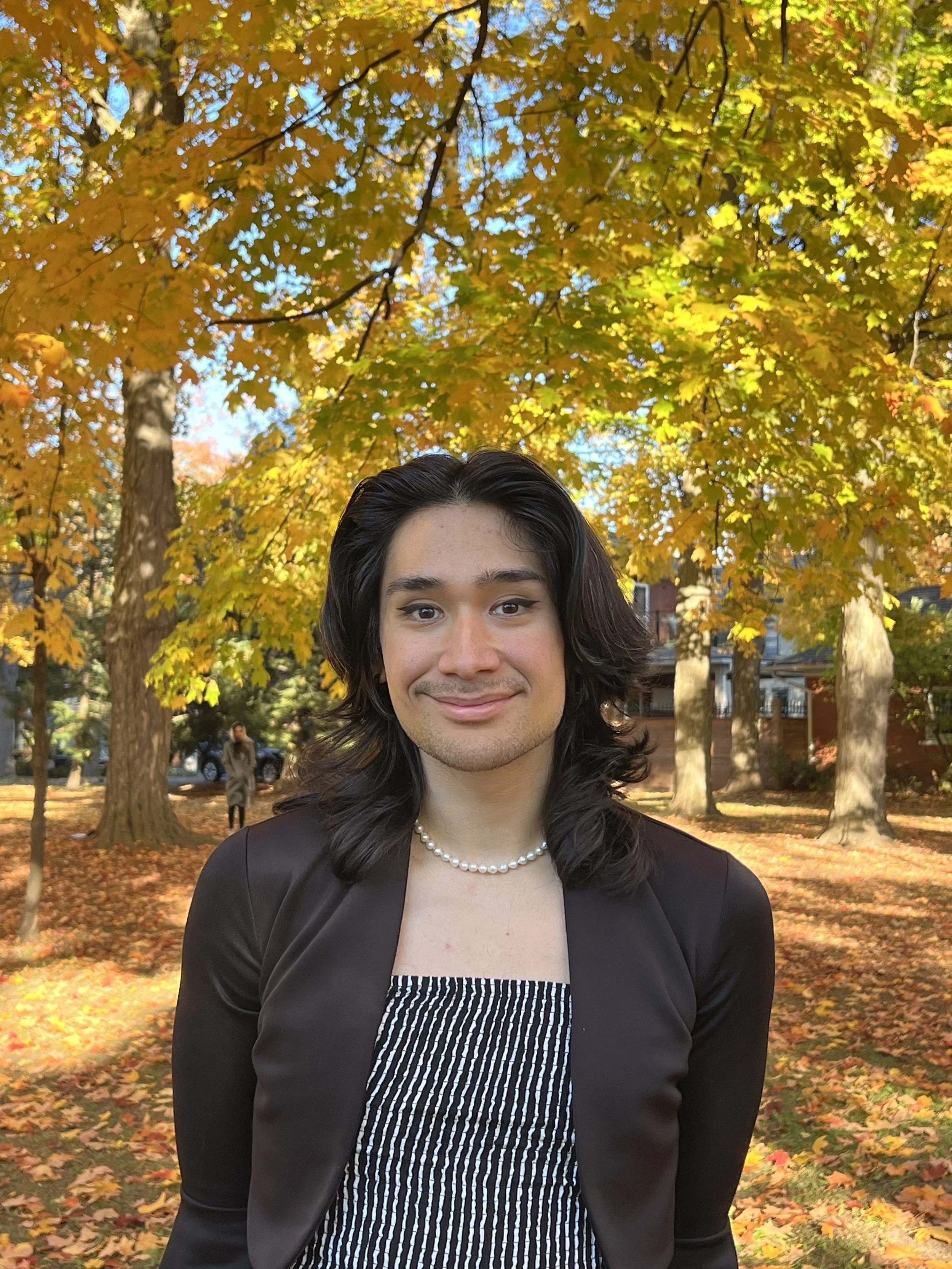
Riley Pugh, MA (they/them)
After completing their BAH in psychology at the University of Waterloo, Riley entered the CCAP program at the University of Guelph in 2020 where they completed their masters in 2022. Presently, Riley is a second year PhD student and is currently completing their external intervention practicum at Kinark Child and Family services. Their primary research interests concern highlighting lived experience perspectives to understand the impact of involuntary discoveries of non-suicidal self-injury. In addition to their research and clinical work, Riley is the co-founder of Let’s Talk About Youth (LTAY), an annual developmental clinical psychology conference held across Southern Ontario universities. LTAY is going into its fourth year and has plans to expand nationally. In their free time, Riley likes to rock climb, play dungeons and dragons, and sing along to musicals in the car.
-

Chantal Pollock, MA (she/her)
For her master’s thesis, Chantal identified common themes that emerged from online discussions about suicide on a popular social media website. For her doctoral research, Chantal will partner with young adults bereaved by suicide to reduce stigma towards those who have experienced a suicide loss. Outside of work, Chantal enjoys spending time in local parks with her family.
-

Isabelle Hau, BAH (she/her)
Isabelle completed her BAH in Psychology at Queen's University and is completing her master's degree in the CCAP program at the University of Guelph. Her master's thesis aims to qualitatively examine the scope of experiences, needs, and concerns of parents of youth who self-injure to better support them. Isabelle currently acts as a member of the International Society for the Study of Self-injury (ISSS) and their International Consortium on Self-Injury in Educational Settings (ICSES) special interest group. She is also part of the CCAP Diversity Committee to promote equity and inclusivity within the program. In her spare time, Isabelle enjoys reading, playing volleyball, and taking care of her many plants!
-

Aarti Doshi, BCom, BA (she/her)
Aarti is a MA student in the CCAP program at the University of Guelph. She holds a BA in Psychology from Carleton University and a BCom in Healthcare Management from Humber Polytechnic. Aarti’s primary research interests center a priori insights into the discursive tensions between suicidality and the anticipated expansion of Medical Assistance in Dying to include Mental Illness as a Sole Underlying Condition (MAiD MI-SUMC); namely, how these dynamics inform the co-creation of safeguards for racialized young adults with lived experience of suicidality. Her secondary research interests include the temporal and embodied dynamics of intersectional stigma among youth with tattoos and lived experience of NSSI. Aarti serves as Co-Chair (Community Lead) for the Mental Health and Addictions’ Inclusion, Diversity, Equity, Accessibility, and Anti-Racism (IDEAA) committee across the Lakeridge Health system. During her spare time, Aarti enjoys traveling, spending time with loved ones, and singing (loudly and terribly!) to 90’s/00's Hip-Hop and R&B.
-

Gabby Lucchese-Lavecchia, BSc, BEd (she/her)
Gabby previously completed a BSc with honours in Psychology at York University and recently completed her BEd at York University. She is presently a Research Coordinator for a SSHRC-funded grant involving participatory video. Her research interests include the stigma around non-suicidal self-injury (NSSI) and the roles of peers and loved ones for people who engage in self-injury. Gabby is currently the president of Jack.org York, a student club at York University that aims to end the stigma against mental health. Outside of work, Gabby enjoys swimming, spending time with her family, and going on walks.
-
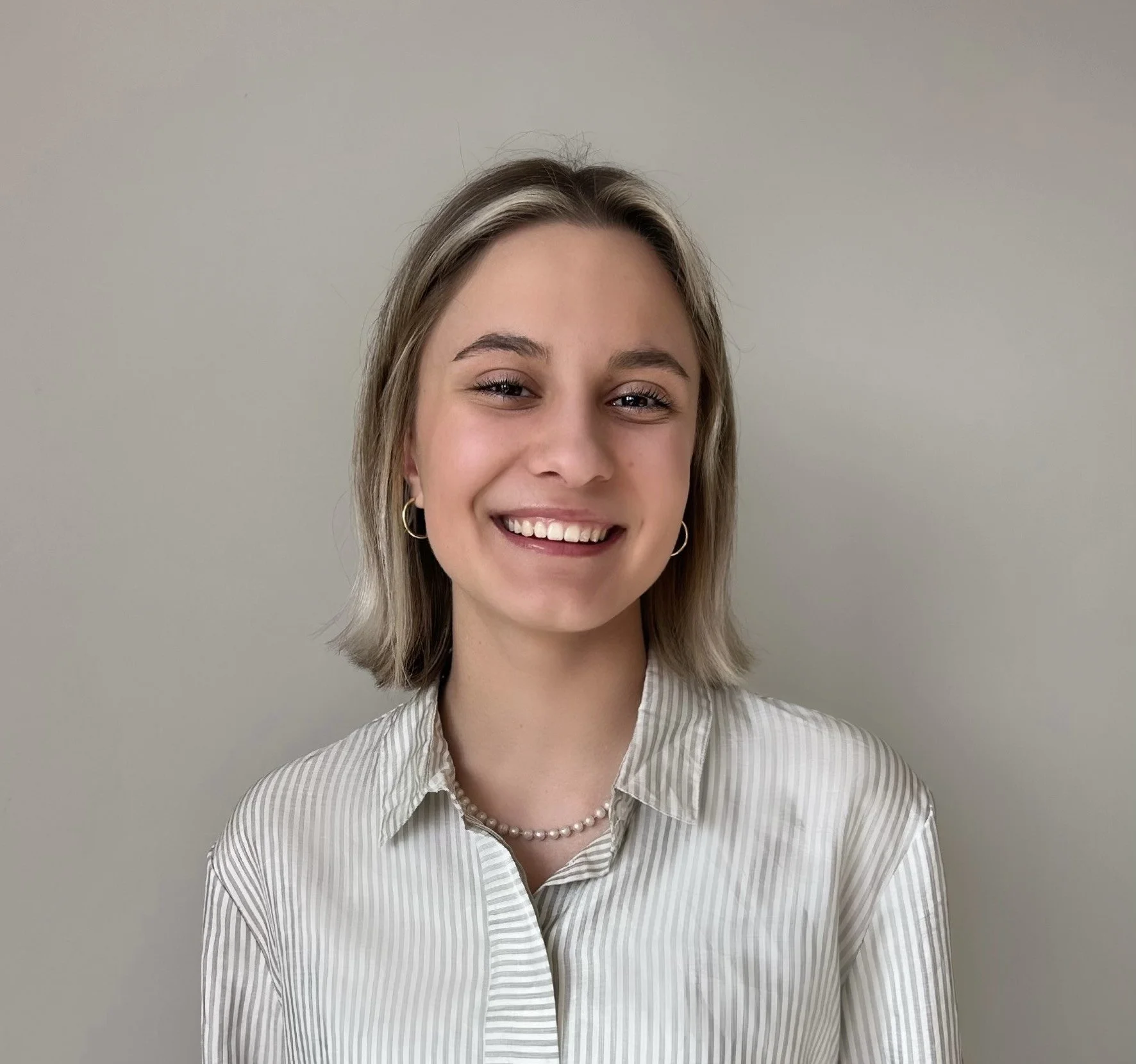
Alex Phillips (she/her)
Alex is a fifth-year honours psychology student at the University of Guelph. She is completing her honours thesis under the supervision of Dr. Lewis, exploring how students describe their experiences of receiving a NSSI disclosure. She also volunteers as a Research Assistant (RA) in the Supporting Youth Development (SYD) lab and as a Peer Counsellor with the Student Support Network (SSN). Beyond her academic roles, Alex works as a Youth Care Specialist, supporting youth in residential treatment settings. After completing her undergraduate degree, she hopes to pursue graduate studies in psychotherapy or counselling psychology. Her interests center on youth and adolescent mental health, promoting mental health awareness, and supporting vulnerable populations. Alex is passionate about advocating for youth and emerging adults through both direct support work and research initiatives. Outside the lab, she enjoys reading, running, discovering new music, and spending time with friends and family.
-

Elizabeth Ellsworth (she/her)
Elizabeth is an undergraduate honours Psychology student at the University of Guelph. Her research focuses on understanding the everyday experiences of people living with non-suicidal self-injury scarring, with the goal of amplifying lived-experience voices, reducing stigma, and informing more person-centred care. Outside of her research, Elizabeth volunteers in the Creative Arts Recreational Therapy program at Homewood Health Centre and enjoys spending time with her cats, painting, and listening to music.
-
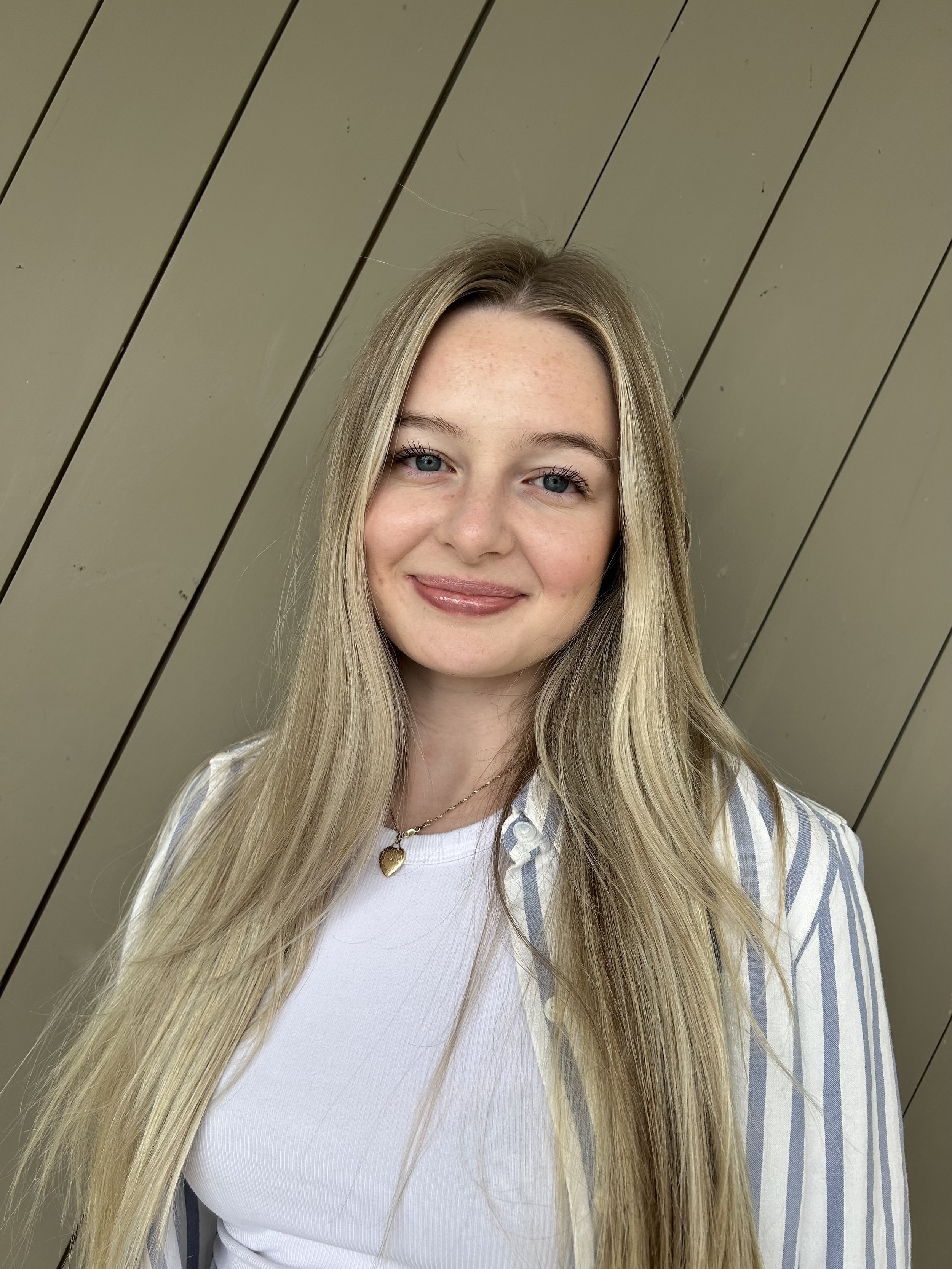
Montana Lily
Montana is a fourth-year Honours Psychology student with a minor in Neuroscience at the University of Guelph. She is passionate about emotion regulation, non-suicidal self-injury (NSSI), and developing evidence-based interventions. Her experience as a Youth Ambassador at The Grove Youth Wellness Hubs, supporting youth aged 12 to 26, strengthened her commitment to improving mental health outcomes. Montana has completed an Independent Research Project, an Advanced Independent Research Project, and a USRA under the supervision of Dr. Kristel Thomassin. She is currently completing her Honours Thesis on a single-session emotion skills intervention for youth in a community setting and is a proud Research Assistant in the LEARN Lab. Montana is dedicated to reducing mental health stigma and promoting accessible, person-centred care. In her free time, she enjoys walking her dogs, spending time with friends, and rewatching Friends.
-
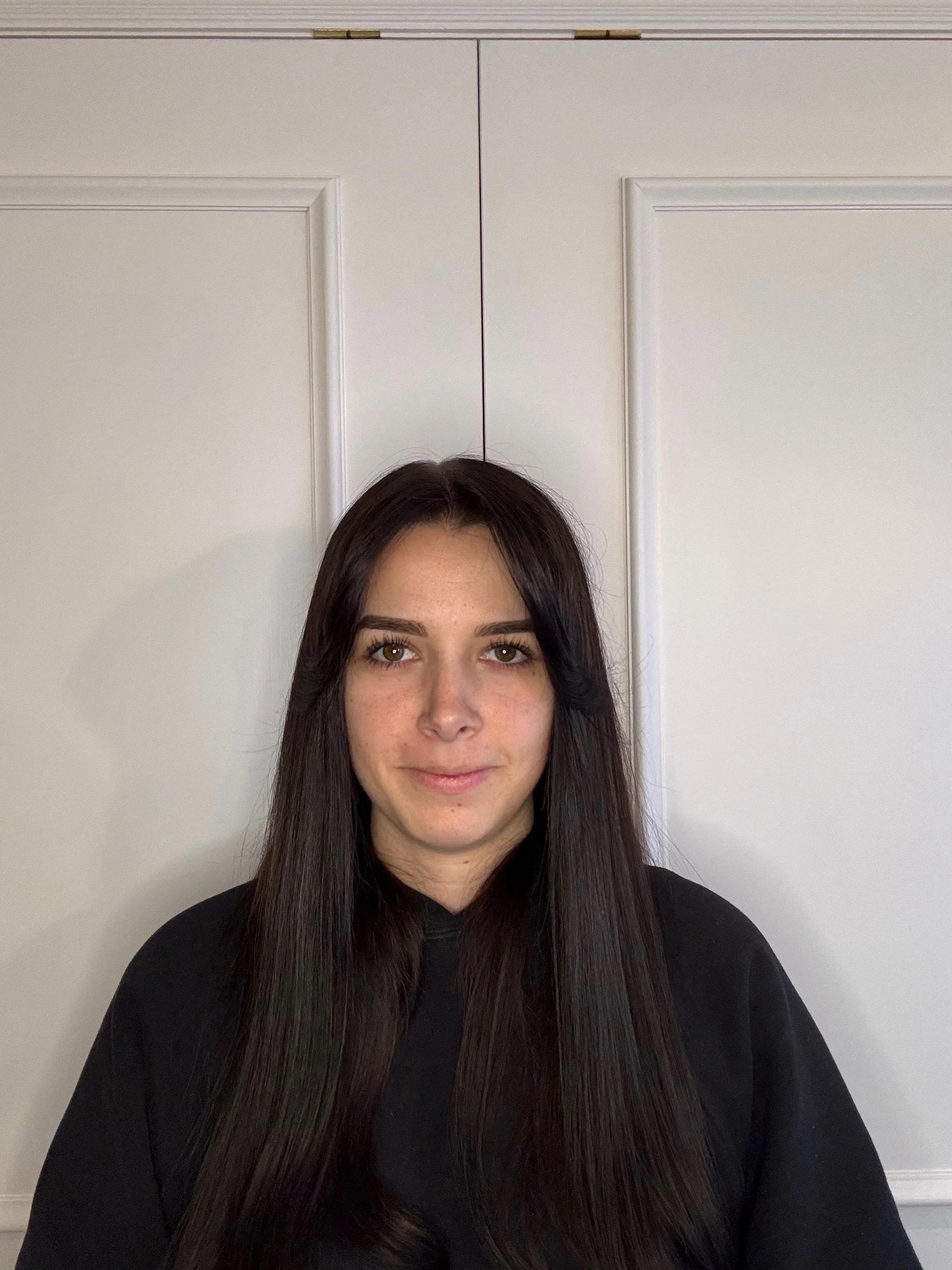
Summer Giacomini
Summer recently graduated from the University of Guelph with a major in Psychology and minor in Family and Child Studies. She completed her undergraduate honours thesis under the supervision of Dr. Stephen Lewis, where she explored how individuals with lived experience of NSSI exhibit resilience in the context of recovery. She plans to pursue a graduate degree in Clinical Psychology where she hopes to learn more about how we can promote positive mental health in individuals with mental health difficulties. Outside of school, Summer enjoys spending time with friends and family, reading, and doing crosswords.
-
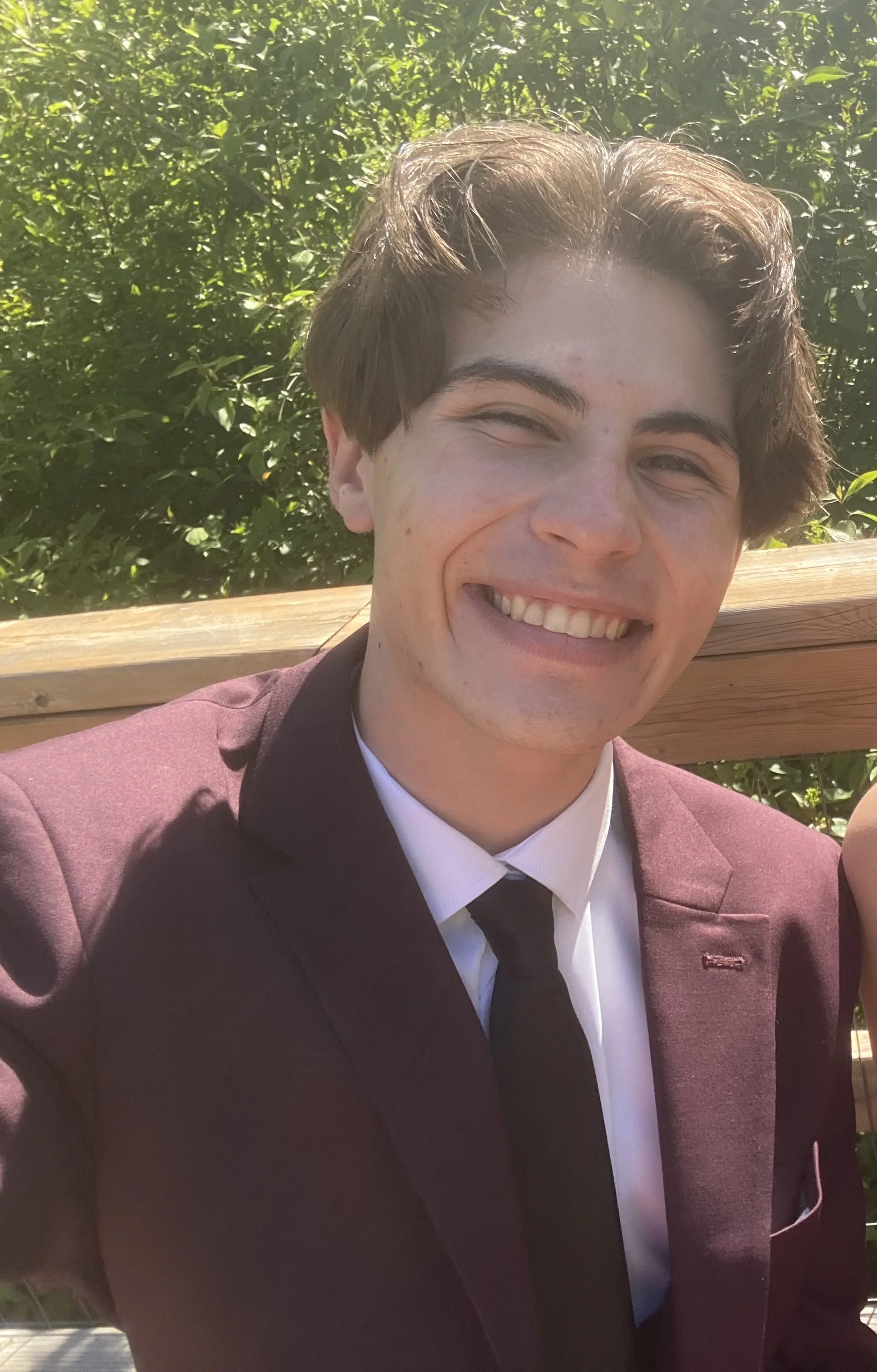
Noah Gubert (he/him)
Noah Gubert is a second-year Psychology undergraduate at the University of Guelph. He currently assists with research in Dr. Stephen Lewis’s LEARN Lab and Dr. Shayna Skakoon-Sparling's SCWASH Lab. Noah is passionate about supporting individuals with lived experience of non-suicidal self-injury (NSSI) and protecting vulnerable populations. His research interests focus on social stigma, help-seeking, and the recovery process among people who engage in NSSI. Outside of academics, he volunteers as a Crisis Responder with Kids Help Phone (KHL) and enjoys reading, playing Dungeons & Dragons, and spending time with friends and family.